Grassroots Resistance Movement
OUR LAND
NOT THEIR SERVERS
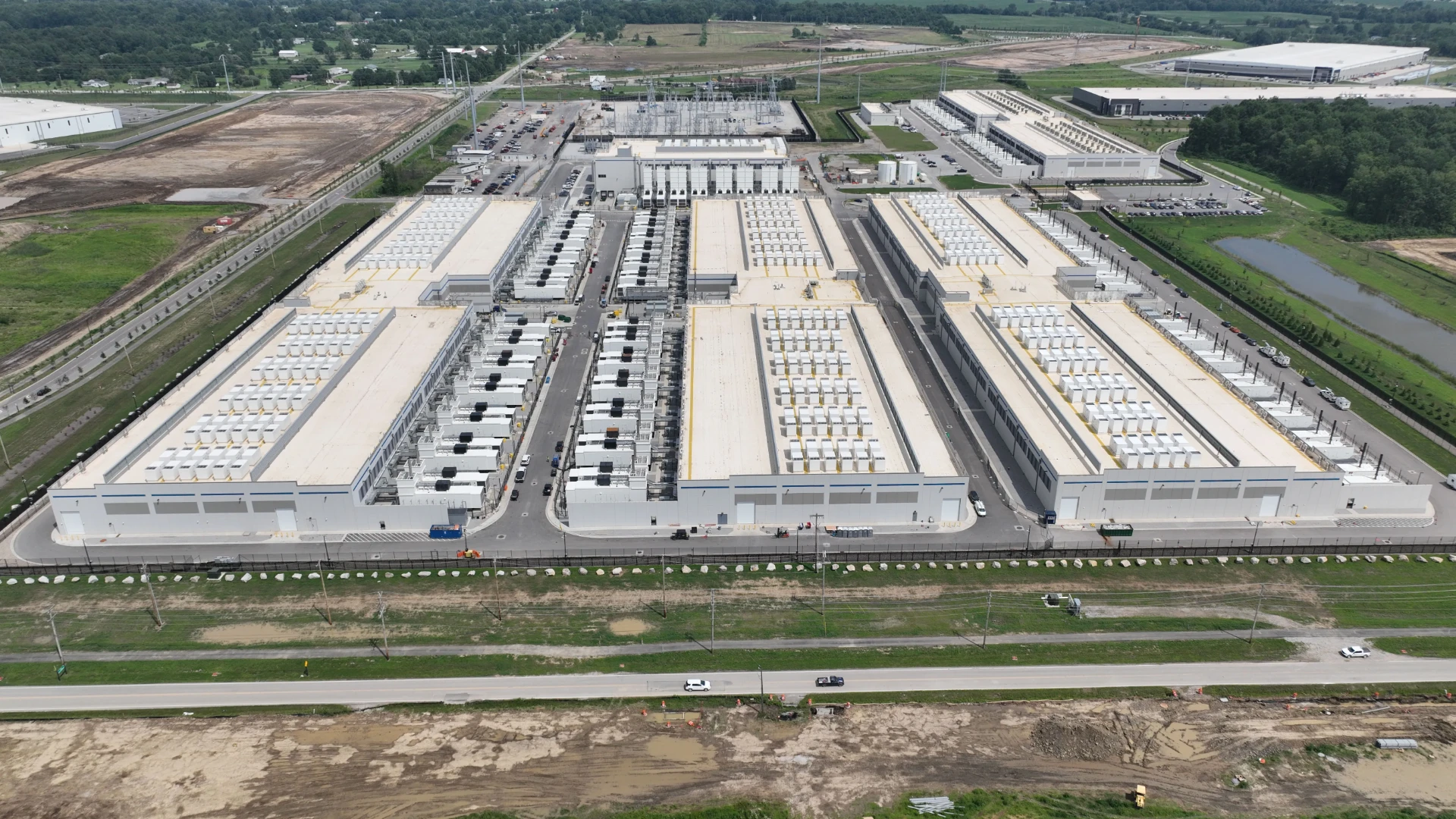
Data centers are consuming our water, electricity, and land at an unprecedented scale. It is time to organize, resist, and reclaim what belongs to our communities.
The Crisis
THE COST OF THE CLOUD
Behind every AI query and streamed video is a physical building devouring resources in someone's backyard. These are not victimless expansions.
Millions of gallons
WATER CONSUMPTION
A single data center can consume millions of gallons of water daily for cooling, depleting local aquifers and rivers.
4% of Electricity usage
in america
Data centers now account for up to 4% of USA electricity use, and that number doubled in the past few years.
Thousands of acres
LAND GRABS
Rural communities are being displaced as tech giants quietly purchase thousands of acres for server farms.
4%
of American electricity usage
millions
of gallons of water daily
1000+
new data center projects proposed
71%
of Americans oppose data centers
Get Involved
RESISTANCE STARTS WITH YOU
Every signature, every call, every person who shows up to a town hall makes it harder for these projects to slip through unnoticed. We have tools, tactics, and a growing network ready to help.
JOIN THE FIGHTMedia & Press
DATA CENTER RESISTANCE IN THE NEWS...
Videos, interviews, and articles featuring the work of Data Center Resistance
DCR Director ed Fitzgerald Roasts Data Center Shill
Ed FitzGerald of Data Center Resistance was interviewed on Newsmax about communities fighting back against data center expansion.
 Article
Data Center Resistance Wins Again in Court
The Ohio Supreme Court unanimously agreed that voters in Trenton must be able to decide the issue, in its second case on votes over data centers in a month.
 Article
Data Center Resistance Wins Ohio Supreme Court Battle
The Ohio Supreme Court ruled that Ashville's fiscal officer cannot refuse to certify a petition submitted by opponents of a proposed data center project.
 Article
Democrats Are Running Against Data Centers in Key Senate Races
Director Ed FitzGerald tells USA TODAY how Data Center Resistance is helping communities nationwide—and why bipartisan opposition is reshaping key elections.
hear the VOICES OF RESISTANCE
Real stories from the front lines of the fight against unchecked data center expansion. Hear from affected residents, organizers, and experts. Our weekly podcast is on all major podcast platforms, including Spotify and Apple Podcasts.
Episode 16 — Latest
Alyssa Banner — Boise, Idaho
Alyssa Banner is an Idaho-based activist involved in the growing grassroots resistance to large-scale data center development. Based in the Boise area, Banner is part of a broader conversation about the consequences of rapidly expanding AI infrastructure and what it means for the communities expected to accommodate it. Across Idaho, residents and advocates are raising questions about the demands these facilities place on water resources, electricity supplies, local infrastructure, public lands, and the environment. Those concerns have taken on new urgency with proposals for massive data center developments in the Treasure Valley, including a potential project on federal land southeast of Boise near Blacks Creek Reservoir. The proposal has sparked debate over the future of Idaho's public lands, regional energy needs, environmental impacts, and whether local communities have a meaningful voice in decisions that could reshape their surroundings. Banner joins the Data Center Resistance Podcast to discuss the fight against unchecked data center expansion in Idaho, the concerns motivating local opposition, and what other communities can learn as technology companies and developers pursue increasingly ambitious projects across the country. Her perspective offers an opportunity to explore a central question facing the national resistance movement: how can communities protect their land, water, resources, and local decision-making as the demand for AI infrastructure continues to grow?
Episode 15
Jared Gibbons — Commercial Point, Ohio
Jared Gibbons is a community advocate from Commercial Point, Ohio, where residents have found themselves at the center of a growing debate over large-scale data-center development in Pickaway County. As plans for major data-center projects moved forward in and around the village, local residents began raising questions about transparency, land use, infrastructure demands, and the long-term consequences for their neighborhoods. Commercial Point has become a notable example of the tensions emerging nationwide as rural and suburban communities grapple with proposals to bring massive AI and cloud-computing facilities into their backyards. The fight in Commercial Point has involved the rezoning of nearly 267 acres for data-center development, concerns about electricity and water demands, and questions about whether residents had a meaningful opportunity to participate in decisions affecting their community. In May 2026, the village adopted an 18-month moratorium on new data-center applications, setting the stage for a legal dispute with developer K-Nova. Residents have also pursued legal challenges concerning the original rezoning process, making Commercial Point a case study in how local organizing, zoning law, public records, and community engagement can shape the future of major infrastructure projects. For the Data Center Resistance Podcast, Jared brings a local perspective to a fight that reflects a much larger national question: who gets to decide what happens to our communities in the age of artificial intelligence? This conversation explores the challenges residents face when confronting powerful developers, the importance of transparency and accountability in local government, and the potential consequences of data-center expansion for property owners, utility customers, and future generations. Commercial Point's experience offers an important look at how ordinary residents can organize, demand answers, and work to ensure that decisions about their communities are made in the public interest.
Episode 14
Kirk Lyman-Barner and Katie Minich — Americus, Georgia
In this episode of the Data Center Resistance Podcast, we head to Americus, Georgia, where residents are confronting plans for a massive new data-center campus in a community already dealing with questions about water, infrastructure, land use, and the future of Southwest Georgia. Kirk Lyman-Barner and Katie Minich bring two different but complementary perspectives to the conversation. Lyman-Barner is a longtime Americus resident, business owner, affordable-housing advocate, and community leader with deep roots in the work of Habitat for Humanity, the Fuller Center for Housing, and the legacy of Clarence Jordan and Koinonia Farm. He has spent decades working at the intersection of community development, economic opportunity, and social responsibility. Katie Minich is a Southwest Georgia native and longtime community leader in Americus. She has worked for the Georgia Student Finance Commission helping students and families navigate higher education and financial aid, and has served in local civic and educational leadership, including as vice chair of the Furlow Charter School governing board. Minich has also been deeply engaged in the civic life of Americus, bringing a perspective rooted in education, families, and the long-term future of the community. Together, Kirk and Katie offer a firsthand look at what happens when the promise of a major technology investment meets the realities of a small Southern community. The proposed Americus data-center campus is planned as a four-phase development of roughly 102 acres, with an eventual buildout of at least 400,000 square feet and an estimated investment of up to $5 billion. The development agreement calls for construction to begin by January 2027 and for the facility to operate for at least 30 years. In this conversation, we explore the questions facing Americus residents: Who benefits from the development? Who bears the costs? What does a project of this scale mean for water, electricity, land, and local infrastructure? And what happens when a community decides it needs to ask difficult questions before an irreversible decision is made?
Text Alerts
GET TEXT ALERTS
Sign up for text messages from Data Center Resistance — alerts and informational notices about data center fights near you.